


This year has been a powerful reminder of what it means to remain adaptable in a shifting and increasingly unstable political climate. Collectively, we’ve been posed with many threats to the longevity of land and food justice work here in the South. From right-wing opposition, reduced USDA funding opportunities, climate catastrophe, SNAP benefit cuts, to ICE raids on immigrant farmworkers, we face a crisis affecting working class people of color and the agricultural field broadly. In spite of these hardships, we saw the agrarian spirit shine through. Many of our grantees acted as community anchors for others by providing accessible food options to strengthen food security for low-income families, and local agribusinesses were a part of community-based solidarity networks to protect vulnerable workers.
This year, we distributed over $1.63M in grants to support individual farmers, family farms, agribusinesses, food co-ops, and land steward collectives across the region.
Awarded $10,000 to 24 grantees
Awarded $2,500–$5,000 to 32 grantees
These funds strengthened farm infrastructure, expanded production capacity, and supported the long term farm sustainability of BIPOC-run small farms in North Carolina, South Carolina, Georgia and Virginia. We continue to look for ways to expand our grantmaking ability to fund more farmers and land stewards each year.
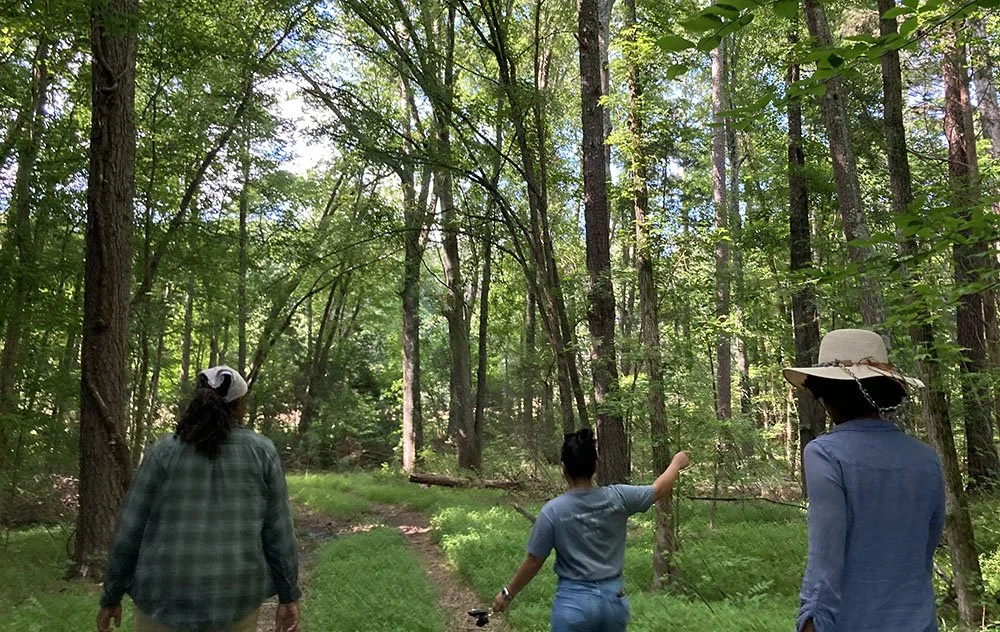
We supported critical land acquisition needs to help ensure long-term, community land stewardship. Ternawtheri Farm is a K’nyaw (Indigenous people of Myanmar and Thailand) family-owned farm specializing in Asian vegetable varieties serving the Carrboro-Chapel Hill, NC market.
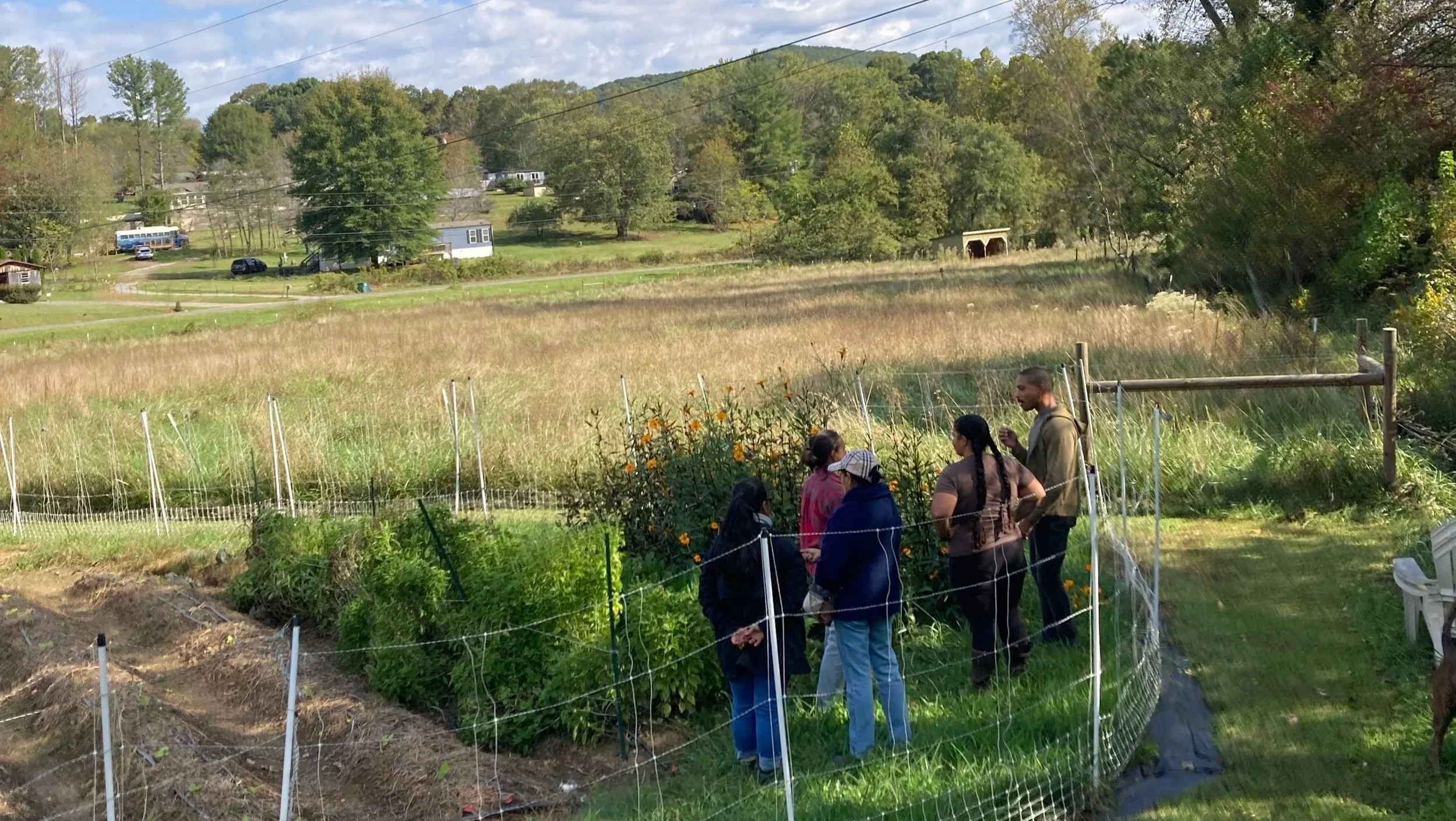
In partnership with Equity Trust, we provided bridge loan support to Water’s Edge Farm (Western NC) to acquire an adjacent 3 acre parcel to their existing farm operation. This will help to stabilize operations during a critical transition period as well as expand the work they are engaged in to anchor the Appalachian Seed Growers Collective.

We mobilized rapid response funding to 13 infrastructure grantees, distributing a total of $75,000 to support recovery and rebuilding across the western mountainous regions of North Carolina. To read farmers and land stewards tell their stories of recovery, click HERE.
We supported community efforts to protect families of color from ICE attacks. We provided $38,000 to Sembrando Raíces (Durham, NC), supporting their ongoing community care and organizing efforts. We also mobilized $38,000 to LEAP to support families who lost SNAP benefits.
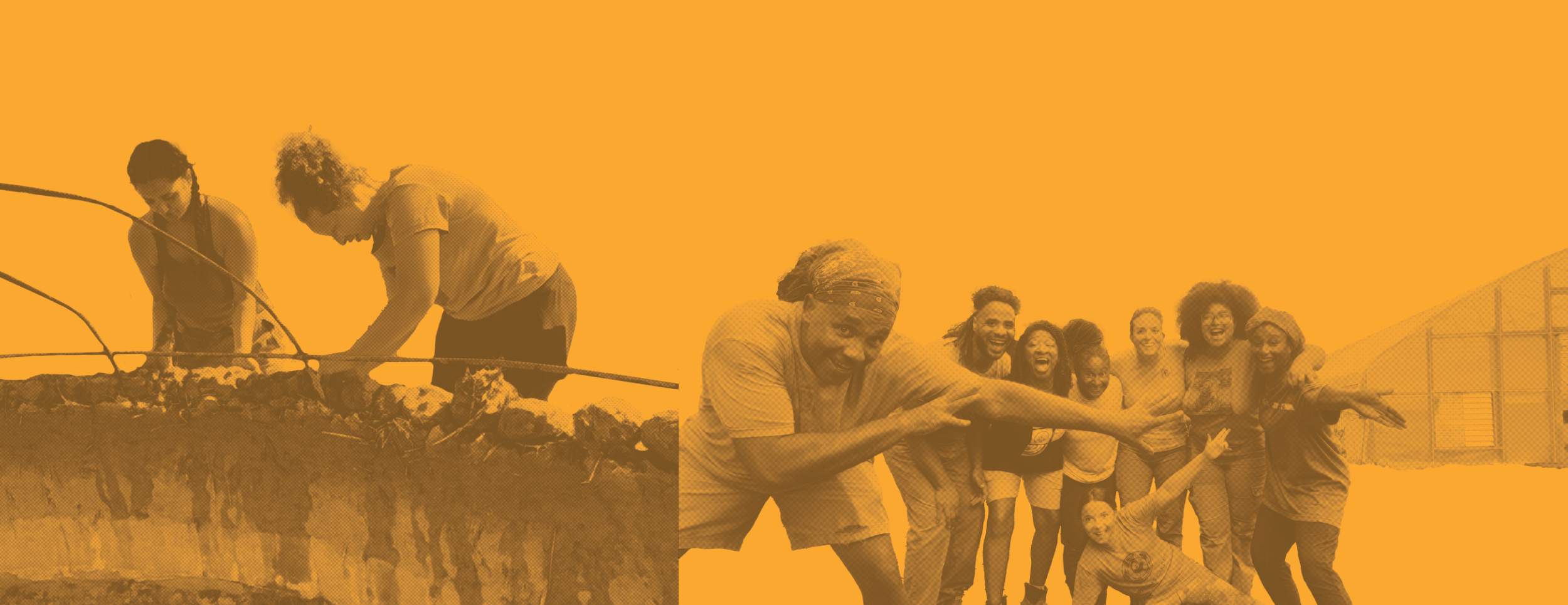

We led 11 Farmer Brigades across North Carolina, mobilizing hands-on collective labor to address urgent farm needs, build relationships, offer infrastructural support, and share skills. This is our second year of organized brigades with a core group of farmers in our ecosystem. We expanded brigade work this year to include work days in Lexington County, SC, organized by Farmer Organizer Bonita Clemons and in Richmond, VA at La Botanica (Farmer Organizer Brittany Lee) and Kilunuk Farm (Grantee Cheyenne Nichols).

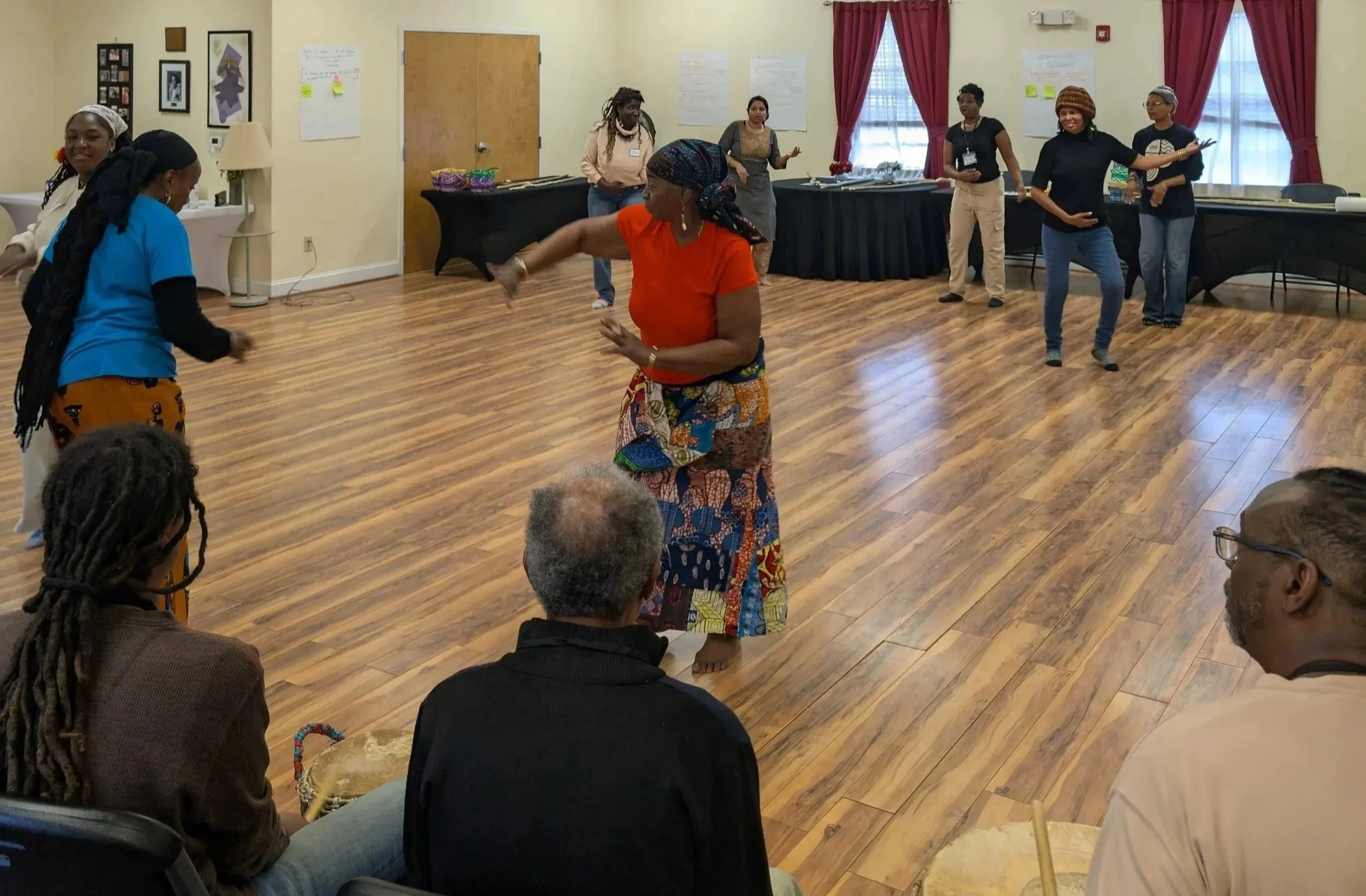
We hosted a 3-day retreat fostering cross-regional relationship building. Farmers shared their work, celebrated wins, troubleshot challenges, and strengthened a shared vision for Southern agrarian justice. We moved our bodies to the sounds of African diasporic drums, and learned about how collective dance and song were part and parcel to planting, growing, and harvesting. The event was hosted at the Franklinton Center at Bricks in Whitakers, NC.
PCF staff spoke at multiple conferences:
Neighborhood Funders Conference’s National Convening, Nashville, TN
SAFSF Forum - Sustainable Agriculture and Food Systems Funders, Santa Ana Pueblo, NM
Black Farmers and Urban Gardeners (BUGs) National Conference, Detroit, MI
Schmidt Family Foundation, 11th Hour Connect 2025,
Los Angeles, CA
Black Farmers & Landowners Conference, Albany, GA
Operation Spring Plant, Oxford, NC


As we move into the next year, we anticipate a growing number of BIPOC farmers seeking access to funding amid increasingly economically unstable times. Our grantmaking pool doubled this past year, and we expect an even greater increase ahead. To meet the needs of as many farmers as possible, we commit to:
Expanding our grantmaking capacity
Deepening relationships with local and regional partners to strengthen disaster preparedness efforts
Grow our emergency giving funds to respond quickly when crises hit
Continuing advocacy for land justice and equitable food systems across the region